English
 Chinese
 日本語
日本語
 Russian

| Understanding the Essential Types of Stainless Steel Cranes
In specialized industries like semiconductor fabrication, pharmaceuticals, food processing, chemicals, and marine engineering, standard carbon steel cranes fall short. They risk paint flaking, rust accumulation, and dust generation, making it difficult to satisfy strict hygiene and anti-corrosion standards. Stainless steel cranes—known for their non-toxic, dust-free, acid-and-alkali resistant, and easy-to-clean properties—have become vital material handling equipment for these advanced manufacturing setups.
Depending on structural design and coverage area, stainless steel cranes are primarily categorized into four core types
Overview of Core Stainless Steel Crane Types
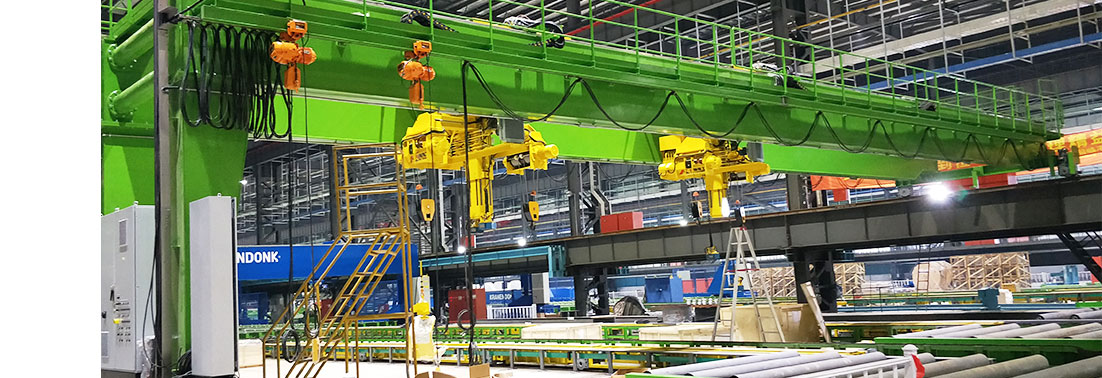
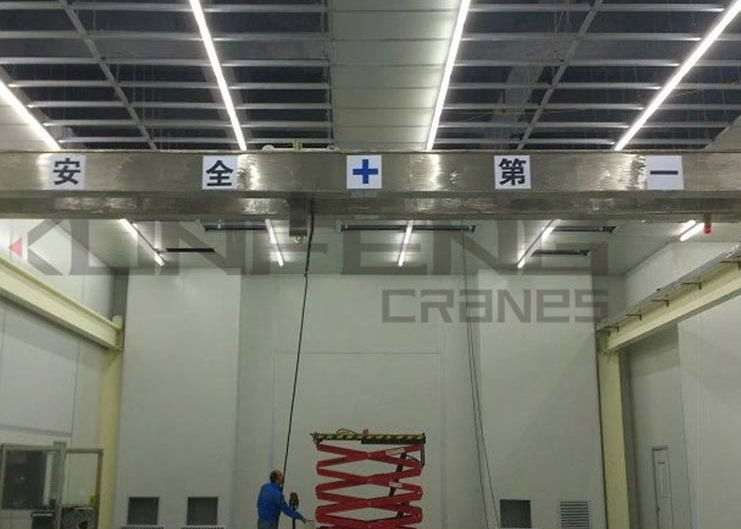
1. Stainless Steel Bridge Cranes (Overhead Cranes)
Structural Features: Mounted on elevated runway beams running near the ceiling across the entire facility bay.
Key Advantages: Zero floor space usage, high lifting capacity (typically covering 1 to 20+ tons), and wide coverage.
Ideal Applications: Large semiconductor cleanrooms, pharmaceutical bulk compounding/reactor facilities, and large-scale food processing plants requiring full-bay material transfer.
2. Stainless Steel Gantry Cranes
Structural Features: Supported by self-standing legs that run on ground tracks or heavy-duty swivel casters.
Key Advantages: No dependency on building support columns, operable on fixed rails or as fully mobile units (Mobile Gantry Cranes).
Ideal Applications: Wastewater treatment plants, desalination plants, marine docks, outdoor chemical yards, and cleanrooms lacking elevated support structures.
3. Stainless Steel Jib Cranes
Structural Features: Composed of a floor pillar or wall-mounted bracket with a horizontal boom offering 180° to 360° rotation.
Key Advantages: Precise point-to-point lifting, compact design, and ideal for high-frequency localized operations.
Ideal Applications: Feeding stations in meat/dairy lines, loading ports for centrifuges/pill presses in pharmaceutical plants, and localized equipment maintenance in cleanroom cells.
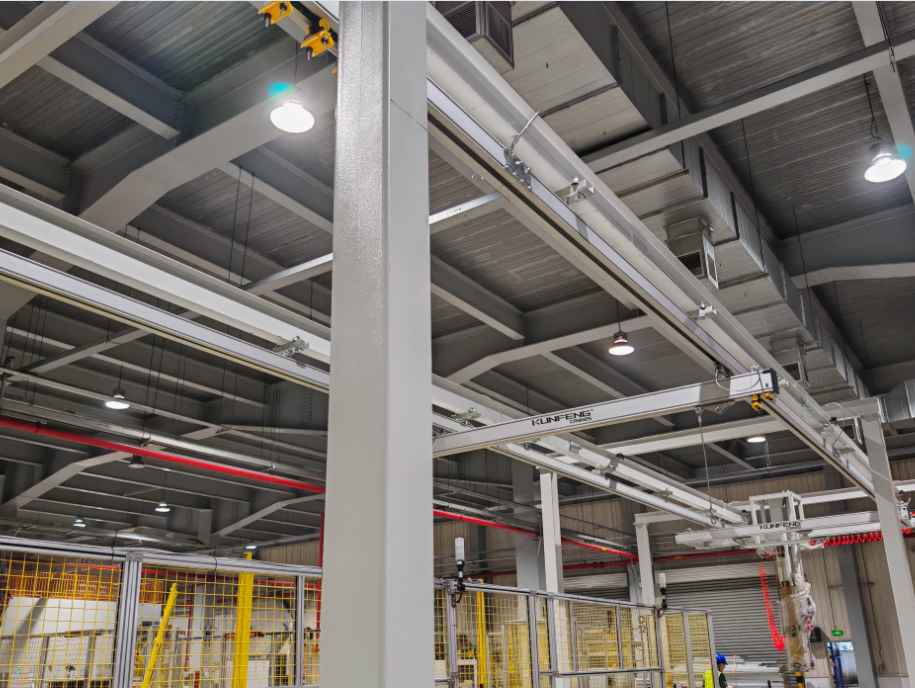
4. Modular Stainless Steel Light Crane
Structural Features: Freestanding or suspended light-duty crane systems constructed with enclosed stainless steel tracks.
Key Advantages: Very low rolling resistance, smooth manual push/pull, and easily modularized for expansion.
Ideal Applications: Biotech labs, fine chemical batching areas, and electronics cleanrooms for lightweight, high-speed handling (125 kg to 2,000 kg).
Material Selection Advice
AISI 304 Stainless Steel: Suitable for standard cleanroom operations and food-grade high-pressure washdown environments.
AISI 316 / 316L Stainless Steel: Contains molybdenum for enhanced resistance to chloride pitting, ideal for saline marine environments, strong acid/alkali exposure, and aggressive chemical sterilization routines.
Partner with a Specialized Stainless Steel Crane Manufacturer
As a premier manufacturer specializing in stainless steel material handling solutions, we deliver high-precision lifting equipment engineered for cleanrooms, pharmaceutical manufacturing, food processing, chemical plants, and corrosive marine environments.
Our complete product line—including Stainless Steel Bridge Cranes, Gantry Cranes, Jib Cranes, and Modular Light Systems—is built using premium AISI 304 and 316L grade stainless steel, fully compliant with strict sanitary, non-contaminating, and aggressive washdown standards.
Whether you need a custom-engineered cleanroom crane layout or specialized corrosion-resistant components, our engineering team provides end-to-end support—from tailored design to spare parts replacement and technical maintenance.
Contact our material handling specialists today to request a quote or design consultation for your facility