English
 Chinese
 日本語
日本語
 Russian

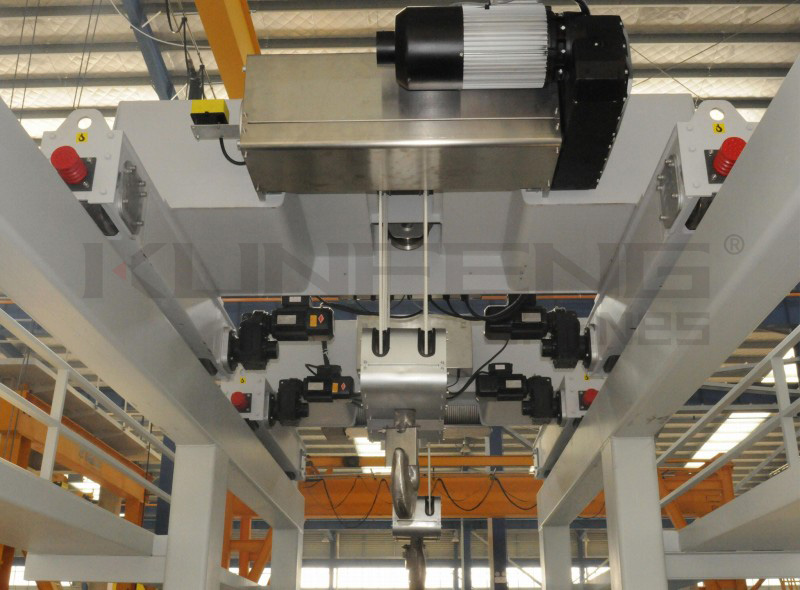
| Cleanroom Hoist & Crane Maintenance Guide
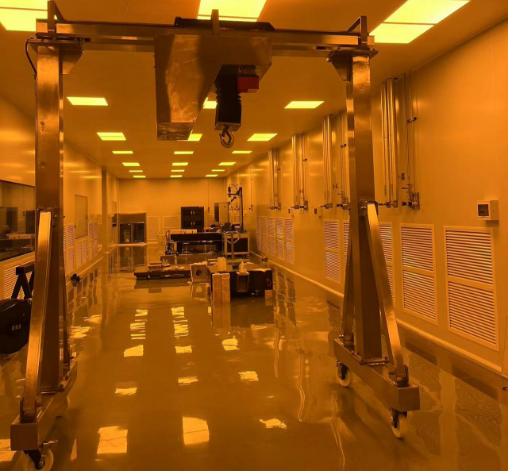
In contamination-sensitive environments such as semiconductor fabrication facilities, pharmaceutical labs, biotech plants, and food processing operations, maintaining air purity is critical. While standard industrial cranes focus primarily on mechanical load support, Clean Room Hoists and Cranes must deliver high-precision lifting without generating airborne particulates, oil drips, or metal dust.
To ensure ISO 14644 compliance, zero-contamination risk, and uninterrupted operation, following a rigorous preventive maintenance routine is mandatory. Here is a comprehensive maintenance guide for cleanroom lifting equipment.

1. Daily Inspection Protocols (Pre-Operation Checks)
Operators should conduct visual and operational checks before starting any shift to prevent sudden failures and particle emissions:
Particle Leakage & Oil Drips: Visually inspect sealed motor housings, gearboxes, and catch basins for any signs of oil leakage or grease buildup.
Surface Integrity: Check stainless steel components, powder-coated beams, and protective covers for scratches, peeling, or corrosion that could collect contaminants.
Smooth Operation & Noise: Run the hoist through full travel without a load. Listen for abnormal friction, grinding, or squeaking, which indicates mechanical wear and potential particle generation.
Cleanroom Sling & Hook Visual Check: Verify that cleanroom-compatible synthetic slings, stainless steel hooks, and safety latches are intact and free of fraying or surface degradation.
2. Weekly & Monthly Preventive Cleaning Routines
Cleanroom hoisting systems accumulate fine particulates over time, which must be systematically removed using approved decontamination methods:
Approved Cleaning Agents: Wipe down all exterior surfaces—including runway rails, hoist bodies, and controller pendants—using 70/30 Isopropyl Alcohol (IPA) solution or distilled water paired with non-linting cleanroom wipes.
Avoid Harsh Abrasives: Never use steel wool, wire brushes, or aggressive chemical solvents that can scratch the smooth AISI 304/316 stainless steel finish or degrade non-gassing polyurethane padding.
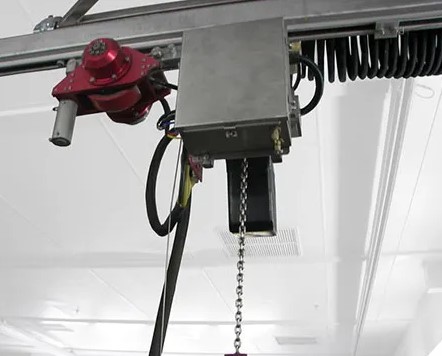
Dust Collector Maintenance: Clean or replace the protective bellows, flexible dust covers, and seal strips surrounding the lifting chains or wire ropes to maintain dust containment.
3. Specialized Lubrication & Component Servicing
Standard industrial grease causes outgassing and particle shedding. Servicing internal components requires cleanroom-specific materials:
Gears & Bearings: Inspect quarterly for seal integrity and smooth rotation. Use NSF H1 Food-Grade or PFPE Synthetic Vacuum Grease (low outgassing, non-drip).
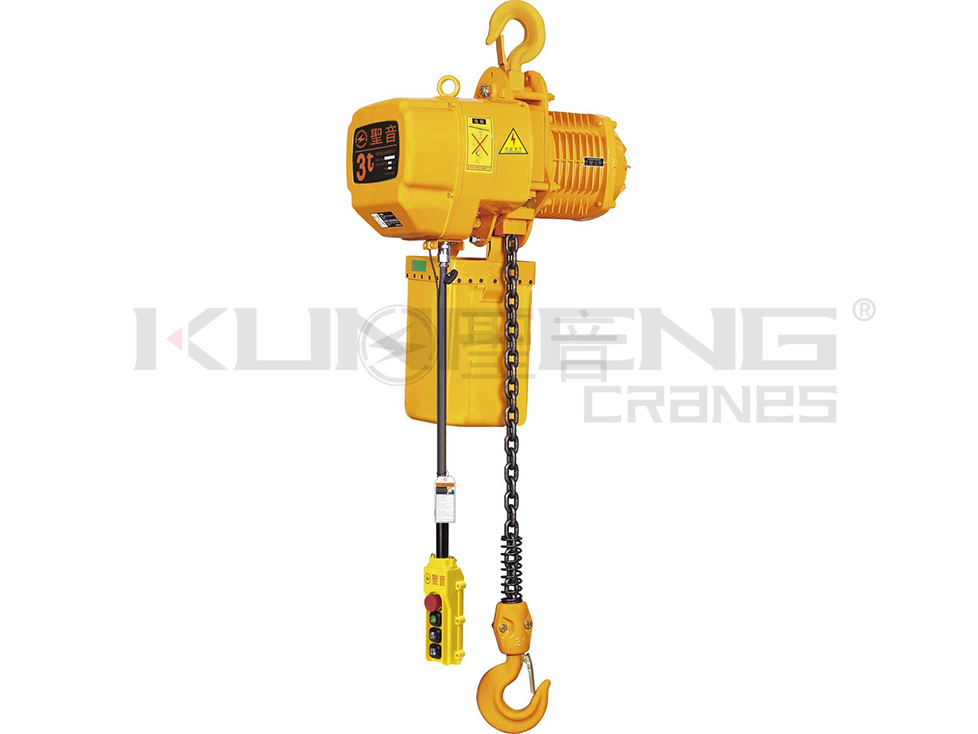
Lifting Chains & Ropes: Check monthly for elongation, pitch wear, and friction spots. Apply non-tacky, dry-film lubricants or cleanroom-rated stainless steel chain oils.
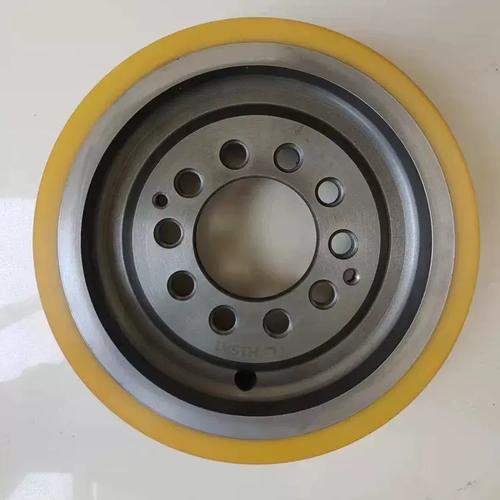
Wheels & Trolley Tracks: Clean monthly to remove wheel wear particles. Inspect non-marking Polyurethane (PU) wheels or stainless steel runners for wear, and replace degraded wheels promptly.
Braking Systems: Inspect bi-annually for pad wear and dust accumulation. Utilize enclosed magnetic brakes designed with internal dust catchers to retain friction particles.
4. Annual Inspections & Recertification
Comprehensive annual audits ensure structural safety and regulatory compliance:
Load Testing & Calibration: Conduct periodic load tests in accordance with local safety regulations (e.g., OSHA, CE, ISO) using pre-cleaned, sealed test weights to avoid introducing dust into the cleanroom.
Cleanroom Air Quality Verification: Perform particle counter tests around operating cranes to confirm the equipment complies with the facility's designated ISO Class (e.g., ISO Class 3, 5, or 7).
Electrical & Cable Track Audits: Inspect cleanroom-rated flat cables, drag chains, and enclosed conductor lines for insulation wear, cracking, or static charge buildup. Ensure ESD (Electrostatic Discharge) grounding remains fully functional.
Partnering with Cleanroom Lifting Specialists
Proper maintenance prolongs the lifespan of your cleanroom hoists and cranes while safeguarding your production environment against costly contamination incidents.
As a specialized manufacturer of Clean Room Hoists, Stainless Steel Cranes, and Spare Parts, we provide custom lifting solutions, certified cleanroom spare parts replacement, and professional technical support. Contact our engineering team today for specialized maintenance manuals or custom spare parts inquiries for your facility.