English
 Chinese
 日本語
日本語
 Russian

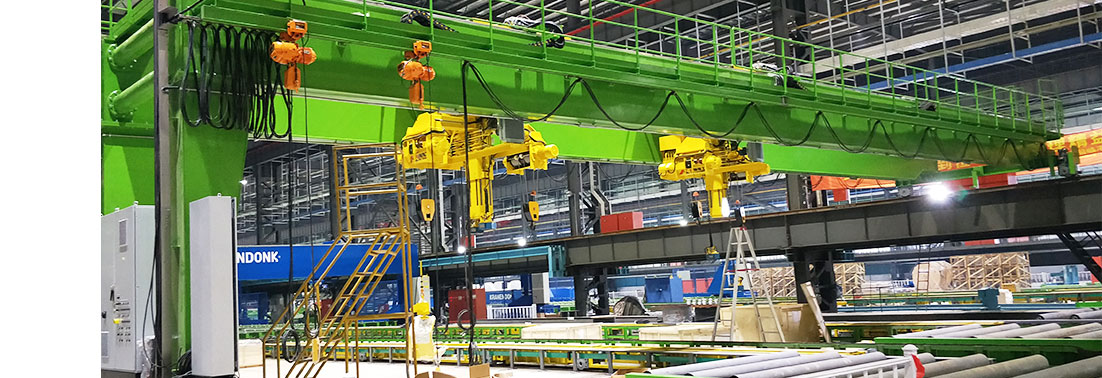
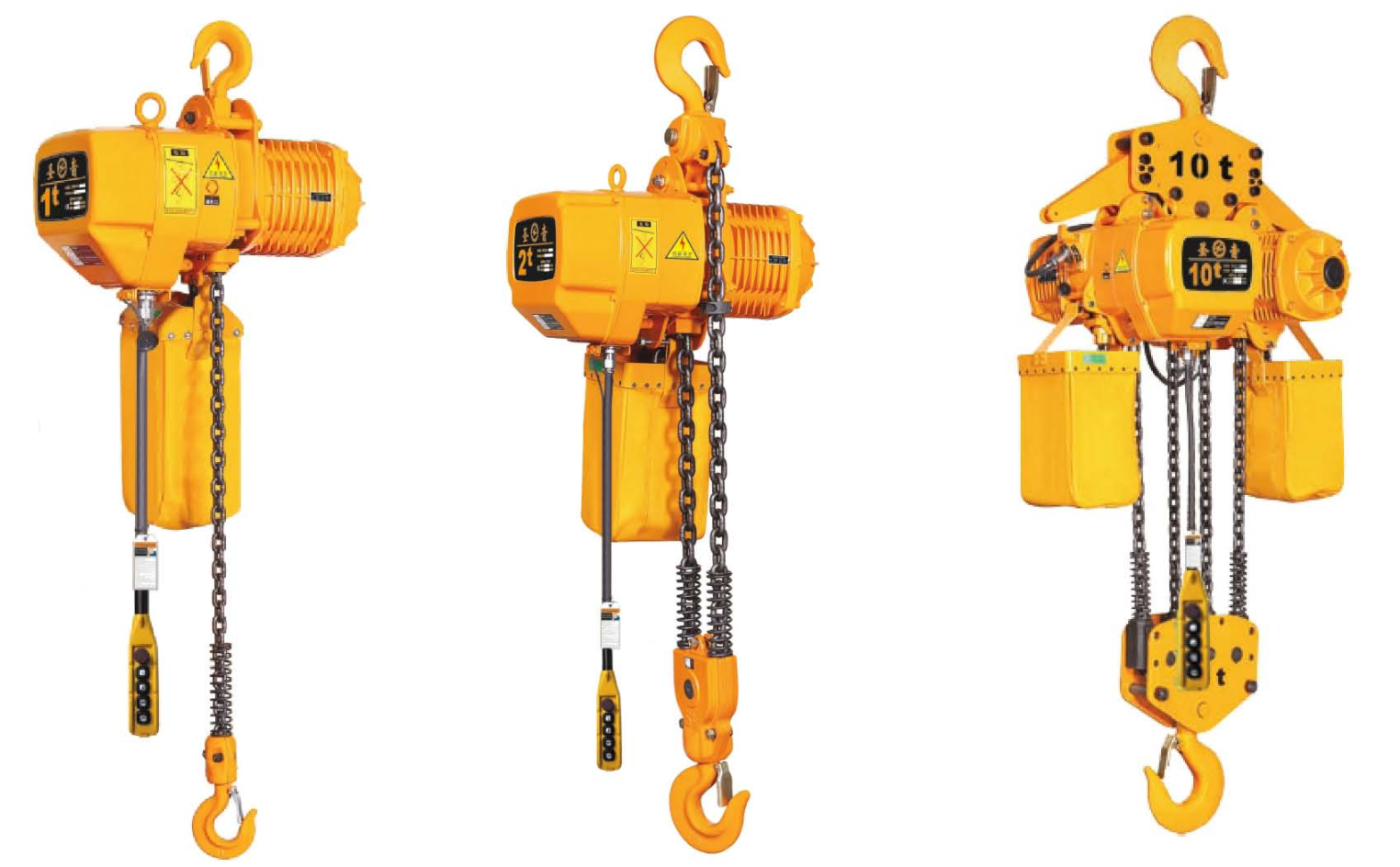
| Maintenance Methods of Electric Chain Hoist
As an important lifting equipment, electric chain hoist plays a vital role in factories, warehouses, construction sites and other places. Due to its frequent use and complex working environment, correct maintenance methods are of great significance to ensure its stable performance and extend its service life.
Regular inspection is an important part of maintaining the electric chain hoist. The main contents of regular inspection include the integrity and working condition of motors, brakes, cables, transmission gears and other components. When checking the motor, you should pay attention to whether it is running normally and whether there are any abnormal sounds and odors. For brakes, check whether their braking performance is good and whether there is any malfunction. At the same time, it is also necessary to check whether the cable is damaged or aged, and whether the transmission gear is tightly meshed and runs smoothly. In addition, the insulation resistance of the electric hoist should be measured regularly to ensure that it meets safety requirements.
Cleaning and maintenance are also key steps in maintaining electric chain hoists. During use, the electric hoist will inevitably be contaminated with dust and oil. Therefore, regular cleaning and maintenance is crucial. When cleaning, use a clean cloth to wipe the surface of the electric hoist, paying special attention to the cleaning of the motor and gear parts. For parts with heavy oil stains, you can use detergent to clean them. At the same time, it is necessary to keep the working environment of the electric hoist clean and tidy to prevent the accumulation of debris from affecting its normal operation.
Lubrication maintenance cannot be ignored either. The gears, bearings and other key parts of the electric hoist need to be lubricated regularly to ensure their normal operation and extend their service life. When adding lubricating oil, attention should be paid to selecting the appropriate lubricating oil type and adding it in accordance with the prescribed dosage. In addition, the oil level and quality of the lubricating oil need to be checked regularly to ensure that it meets the requirements.
Cable protection is also an important aspect of maintaining an electric chain hoist. The cable serves as the power line and signal line of the electric hoist, and its integrity is directly related to the normal operation of the electric hoist. Therefore, during use, care should be taken to protect the cable from being pressed by heavy objects or twisted in mechanical parts. At the same time, it is necessary to regularly check whether the outside of the cable is damaged and worn. If damage is found, it should be replaced in time to avoid safety hazards such as short circuits and leakage.
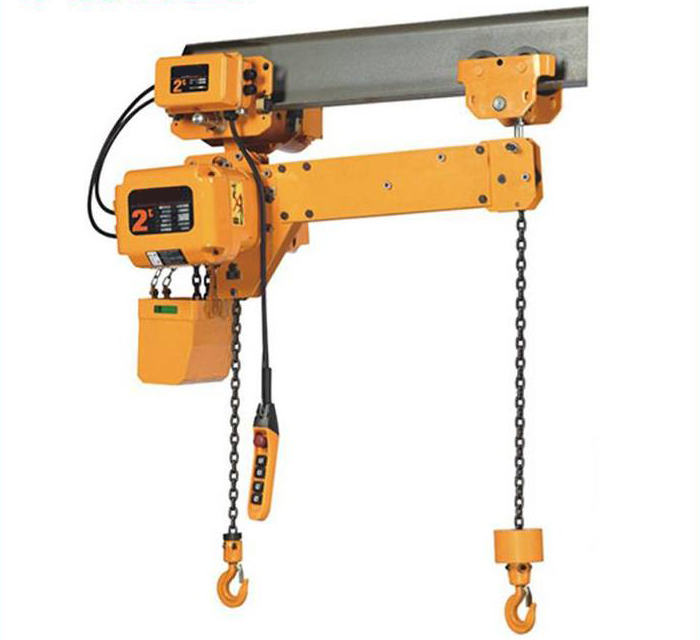
Finally, safe operation is an aspect that cannot be ignored when maintaining electric chain hoists. When operating an electric hoist, safety regulations should be followed to ensure the safety of the operator. First of all, operators should be familiar with the structure, performance and usage of electric hoists to avoid accidents caused by misoperation. Secondly, the integrity of the electric hoist should be checked before use to ensure that it is in good condition. During use, you should pay attention to the operation of the electric hoist. If any abnormality is found, stop it for inspection in time. In addition, the load limits of the electric hoist must be followed to avoid overloading.
Related products: 【Electric Chain Hoist】