English
 Chinese
 日本語
日本語
 Russian

| The Importance of Cleanroom Jib Cranes in High-Purity Manufacturing
In modern high-purity manufacturing environments—such as semiconductor fabrication facilities, pharmaceutical sterile suites, biotechnology laboratories, and aerospace cleanrooms—maintaining an immaculate, particle-free atmosphere is paramount. Every piece of equipment introduced into these controlled spaces must adhere to stringent cleanliness classifications. Among the vital material handling infrastructure required in these facilities, the cleanroom jib crane plays an indispensable role.
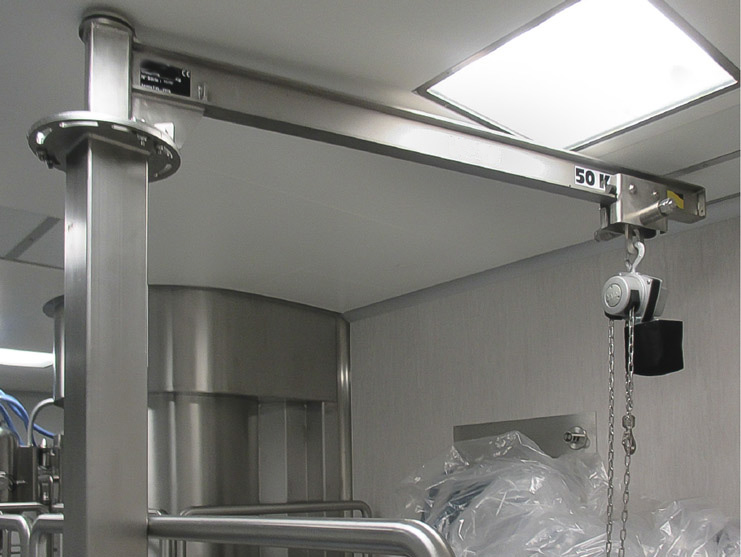
Unlike standard industrial cranes, cleanroom-specific lifting solutions are meticulously engineered to reconcile heavy-duty material handling with uncompromising contamination control.
1. Advanced Contamination Control and Material Integrity
The primary challenge in cleanroom manufacturing is the prevention of particulate generation, chemical corrosion, and biological accumulation. Traditional carbon steel cranes are prone to flaking paint, rust, and particulate shedding under continuous mechanical stress.
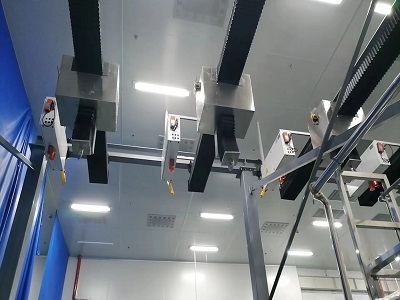
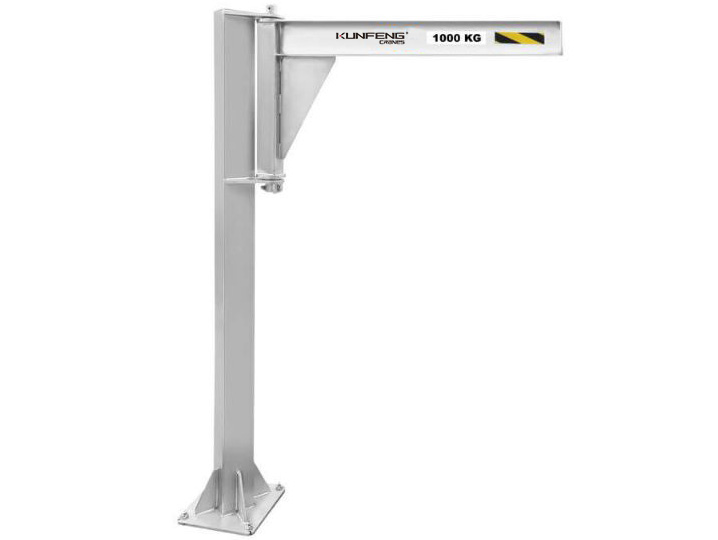
High-purity cleanroom jib cranes are typically constructed from electro-polished AISI 316L stainless steel or treated with specialized corrosion-resistant coatings. Their enclosed track designs and sealed bearings prevent particulate release and lubricant leakage. This ensures that delicate components, silicon wafers, and pharmaceutical batches remain entirely uncontaminated during lifting, positioning, and assembly operations.
2. Precision Positioning in Confined Spaces
Cleanroom floor space is at a premium, and layout optimization is critical to maintaining laminar airflow patterns. Jib cranes offer a compact, highly efficient footprint compared to large overhead bridge crane systems.
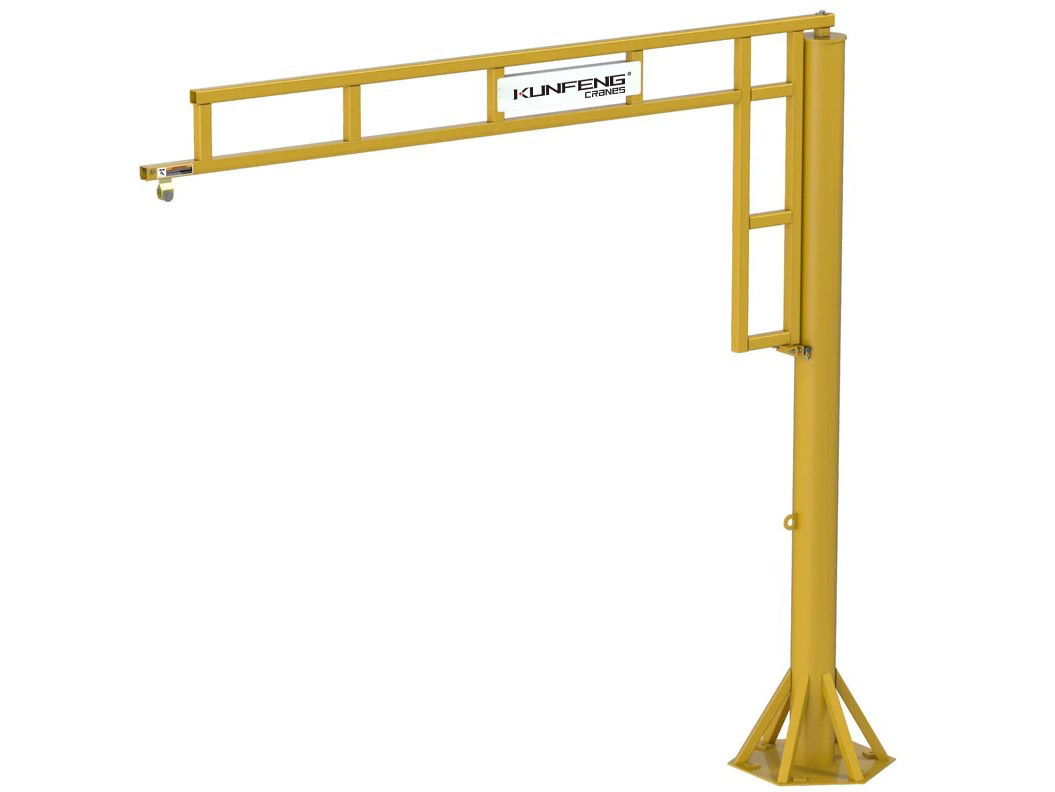
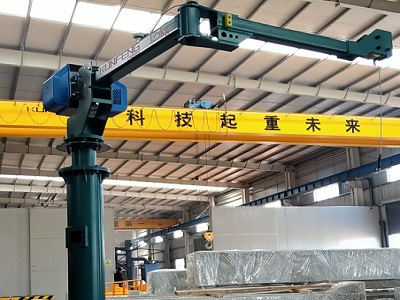
Optimized Radius: With 360-degree rotation capabilities (for pillar-mounted variants) or wide-angle wall-mounted articulation, jib cranes provide seamless coverage over specific workstations, bioreactors, or assembly benches.
Ergonomic Control: Operators can maneuver sensitive loads with micro-precision. Smooth trolley movement and variable-speed electric fiber rope or belt hoists eliminate sudden jerks, preventing mechanical shock to fragile high-tech assemblies.
3. Compatibility with Stringent Sterilization Protocols
Cleanrooms undergo rigorous, frequent sanitization cycles using aggressive chemical sterilants, hydrogen peroxide vapor (VHP), or high-pressure washdown procedures.
Standard lifting equipment quickly degrades under such harsh exposure, leading to micro-cracks and bacterial harboring sites.
Cleanroom jib cranes and their integrated cleanroom hoists (such as specialized belt or fiber rope hoists) are built to withstand routine chemical sterilization without surface pitting or structural degradation, ensuring long-term regulatory compliance with ISO 14644 and GMP standards.
4. Enhancing Operational Safety and Efficiency
In high-purity manufacturing, human error can result in millions of dollars in compromised inventory or equipment damage. Jib cranes significantly reduce manual handling strain when transferring heavy equipment, tooling plates, or stainless steel process vessels. By integrating fail-safe braking systems, overload limiters, and smooth-gliding trolleys, these cranes safeguard both the specialized operators and the high-value products moving through the production line.
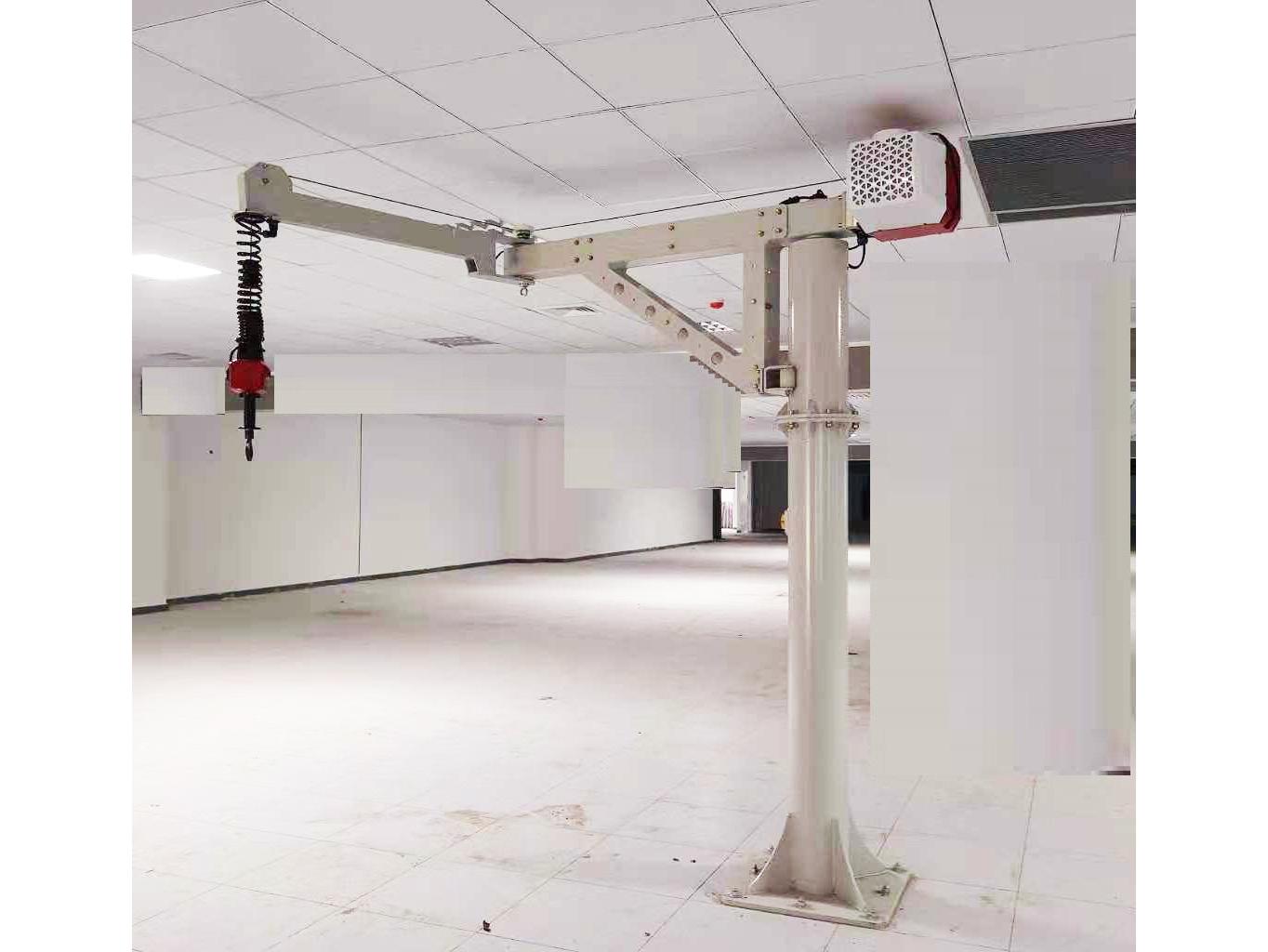
As cleanroom manufacturing continues to advance toward higher precision and stricter purity standards, the choice of material handling equipment is no longer an afterthought—it is a critical engineering decision. The cleanroom jib crane bridges the gap between heavy lifting capability and absolute environmental control, making it an essential asset for facilities dedicated to flawless, high-purity production.