English
 Chinese
 日本語
日本語
 Russian

| Industrial Crane Buying Guide: 5 Must-Know Factors
Selecting the right industrial crane is critical for maintaining workplace safety, operational efficiency, and long-term cost control. Whether outfitting a new manufacturing plant or upgrading an existing facility, evaluating your material handling requirements early prevents costly downtime and structural retrofits.

1. Load Capacity & Duty Cycle Class
Rated Capacity: Always select a crane based on your heaviest anticipated load plus a reasonable safety buffer.
Duty Service Class: Match the equipment to operational frequency (CMAA/FEM standards). A crane used twice daily for light assembly requires a different duty classification than a crane running 24/7 in a steel foundry.
2. Crane Type & Building Layout Constraints
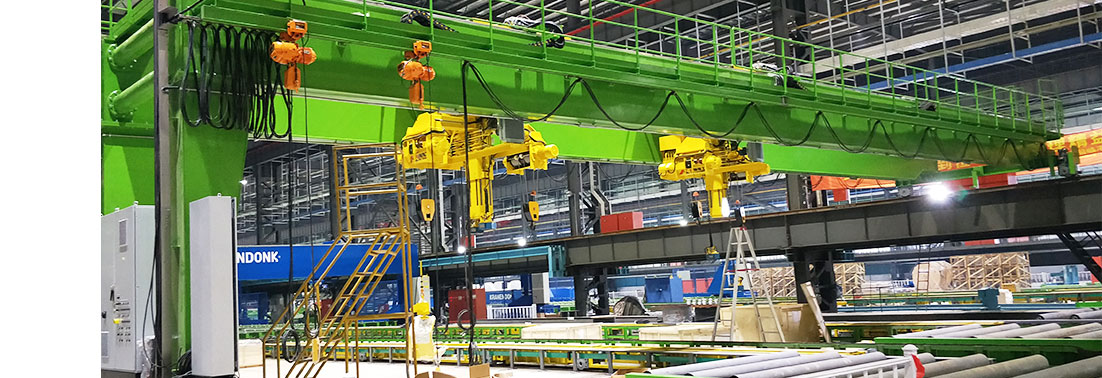
Overhead Bridge Cranes: Best for high-capacity, full-facility floor coverage.
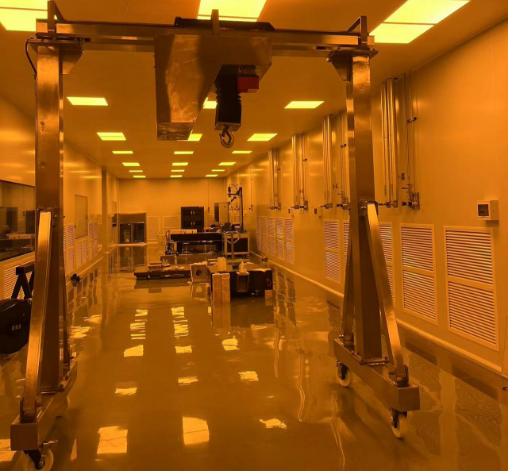
Gantry Cranes: Ideal for facilities without overhead runway structures or for outdoor storage yards.
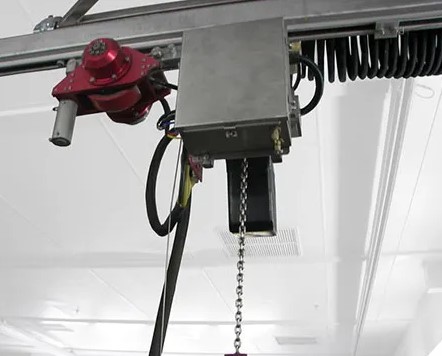
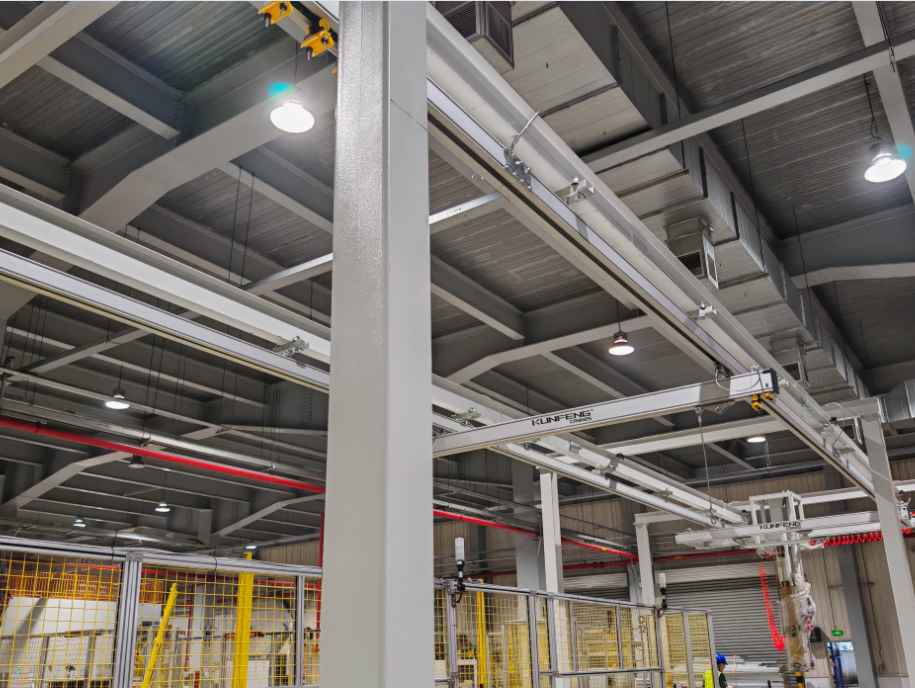
Jib Cranes (Standard / Enclosed Track): Optimal for localized, repetitive lifting at individual workstations.
Spatial Dimensions: Factor in hook height, total span length, floor-to-ceiling clearance, and building support column integrity.
3. Operating Environment & Material Hazards
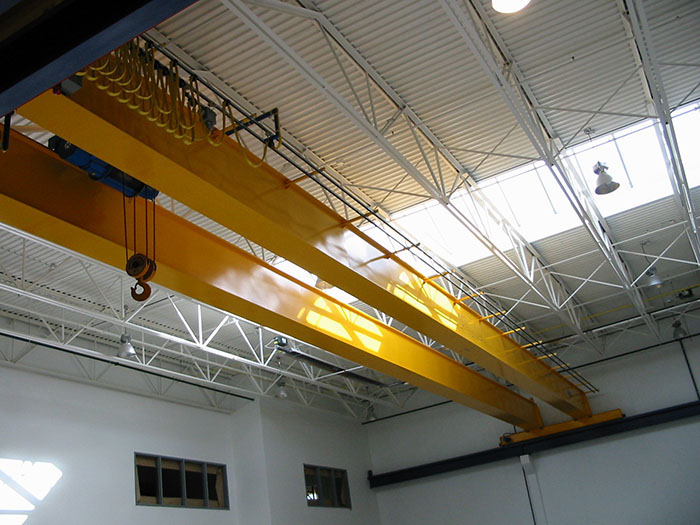
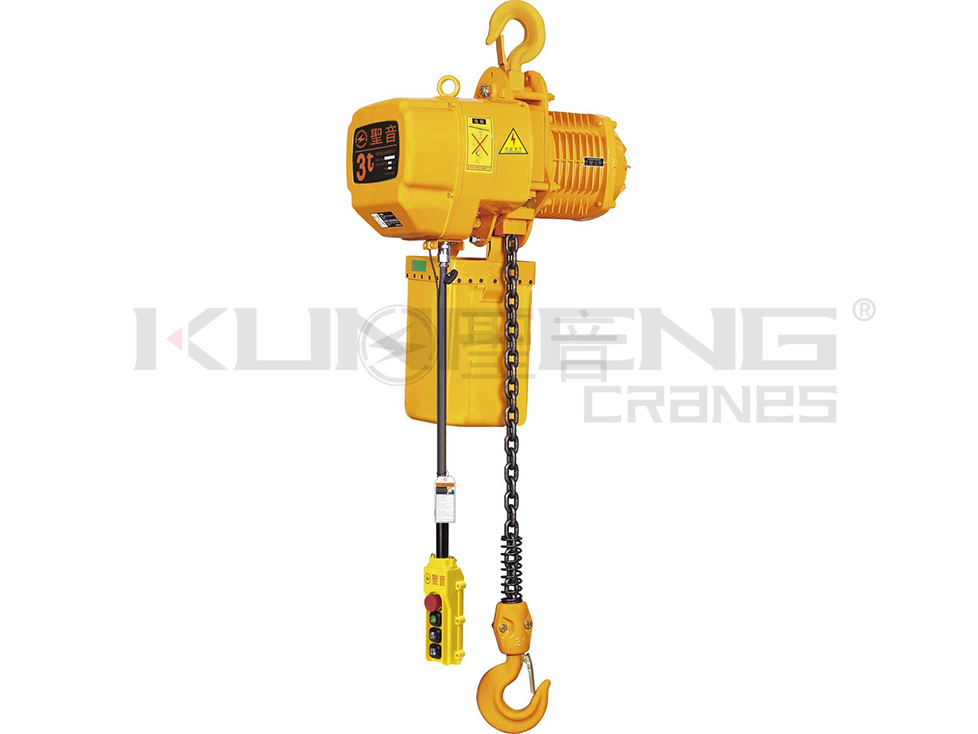
Standard Indoor: Requires baseline dust protection and standard electric hoists.
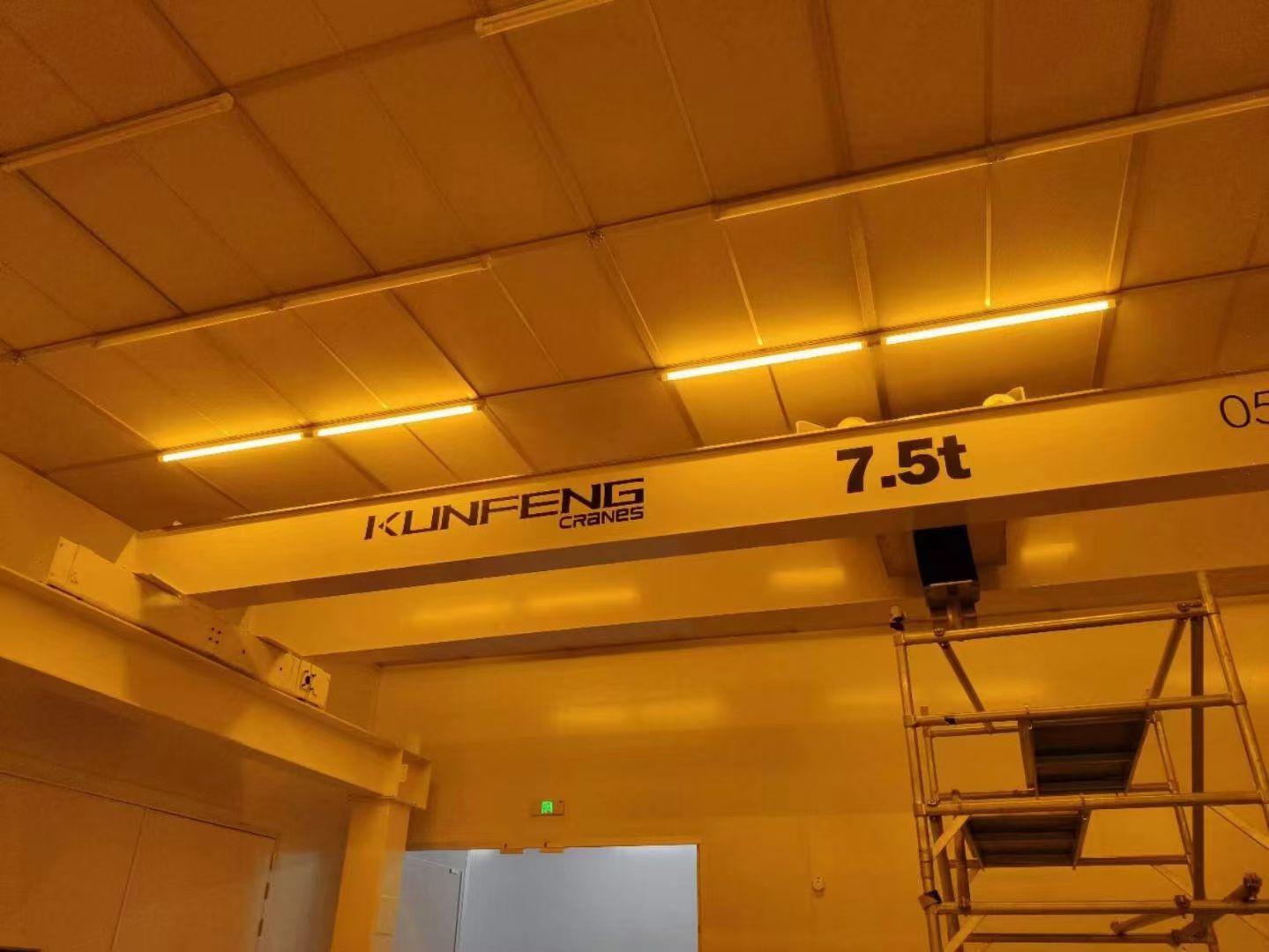
Corrosive / Cleanroom: Demands stainless steel components, food-grade lubricants, or sealed enclosures (common in chemical and pharmaceutical plants).
Explosive Environments: Requires explosion-proof electrical fittings and spark-resistant materials.
4. Ergonomics, Control Systems & Below-the-Hook Tools
Control Interfaces: Choose between pendant controls, radio remote controls, or automated cabin systems depending on operator safety needs.
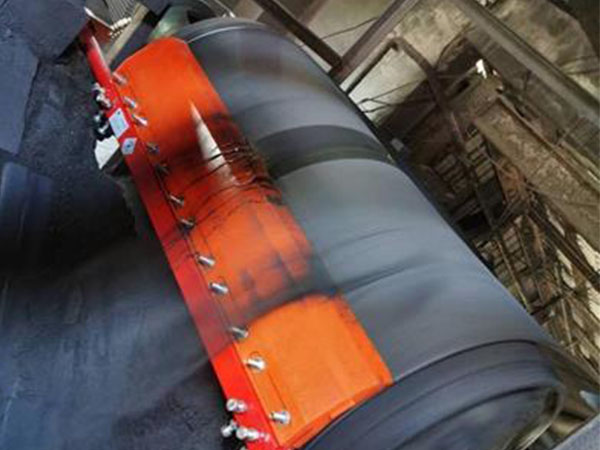
Attachments: Pair the hoist with specialized lifting attachments—such as vacuum lifters, tool balancers, magnetic lifters, or customized grabs—to reduce manual strain and improve cycle speeds.
5. Total Cost of Ownership & Compliance Maintenance
Initial Purchase vs. Lifetime Value: Look beyond upfront capital expenditures. Low-quality structural welds or non-standard components lead to higher long-term maintenance costs and frequent beam deflection.
Regulatory Compliance: Ensure the system meets OSHA, ASME B30, or local safety standards, and establish a recurring inspection routine for high-wear areas (cables, hooks, and weld points).
Optimize Your Material Handling Setup
Investing in the correct industrial crane minimizes operational bottlenecks and protects your workforce. Work closely with crane engineers to perform site evaluations, review duty cycles, and customize the system to your facility's specific architectural layout.